Compliant Freight Forwarding for Lithium-Ion Batteries (UN3480 / UN3481)
End-to-end logistics solutions for standalone battery cells, power modules, e-bikes, and equipment containing lithium batteries moving from Asian manufacturing hubs to Romania and Europe.
Compliant Lithium Battery Transport to Romania & Europe (IMDG, ADR & IATA)
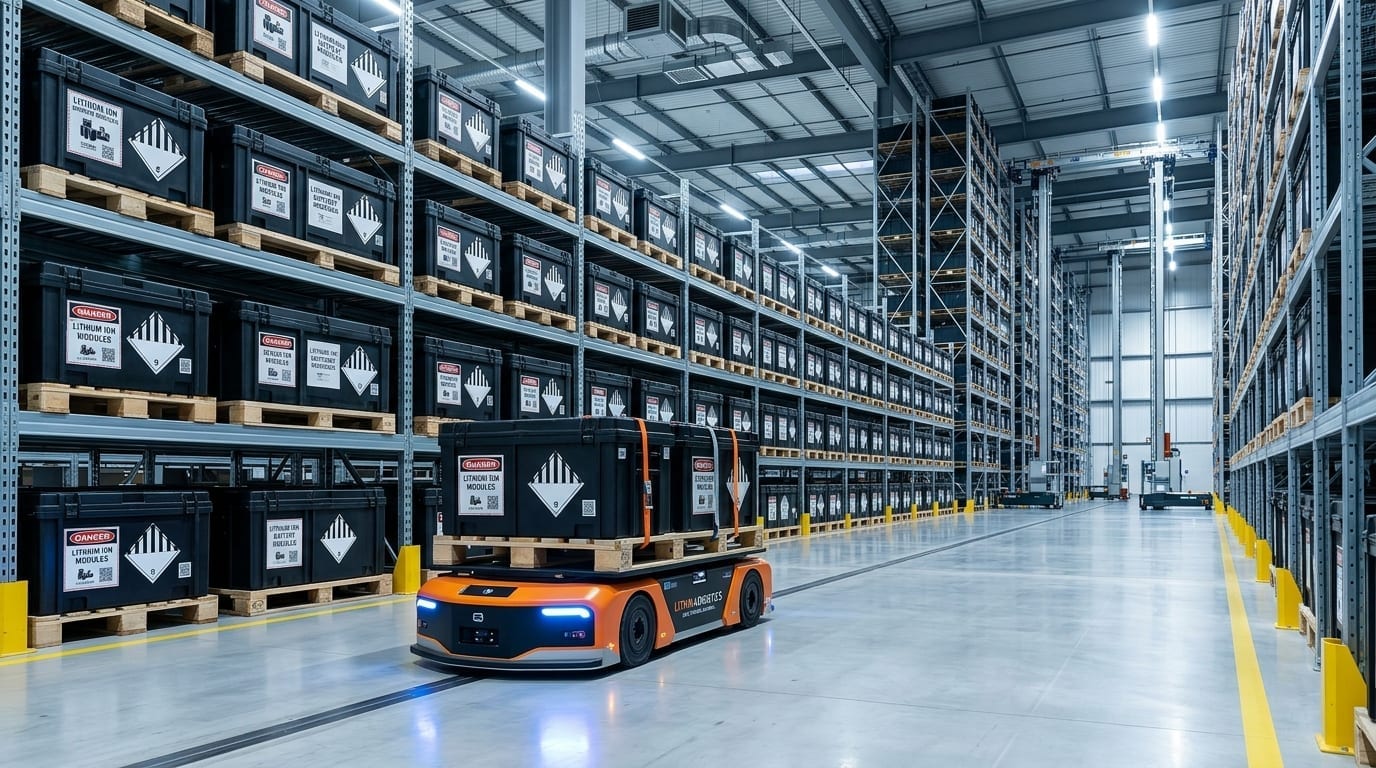
Lithium-ion batteries are heavily regulated across all international transport modes due to thermal runaway risks. Arwen Olsen ensures 100% compliance with IMDG (sea), ADR (road), and IATA (air) frameworks, guaranteeing carrier acceptance and zero port delays.
UN 3480 (Standalone Cells & Modules)
Dedicated dangerous goods protocols for high-capacity battery cells, replacement packs, and ESS racks.
UN 3481 (Batteries in Equipment)
Commercial freight forwarding for electric mobility (e-bikes, scooters), industrial robotics, tools, and medical devices.
Looking for utility-scale energy storage?
If you are transporting containerized Battery Energy Storage Systems (BESS) for solar or wind farms, explore our specialized BESS & Battery Logistics solutions.
Compliance checklist
Frequently Asked Questions
Which transport modes can be used for lithium batteries from China?
Sea freight is the most common and cost-effective option: lithium batteries travel as Class 9 dangerous goods under the IMDG Code, with a dangerous goods declaration and hazard labels on the container. Air freight is possible under IATA rules, but standalone lithium-ion batteries (UN3480) can only fly on cargo aircraft and must be shipped at a state of charge of no more than 30%. Most China–Europe rail services do not accept standalone batteries, so we usually recommend sea freight for this cargo.
How are BESS energy storage containers shipped?
Battery energy storage systems installed in a container are shipped under UN3536 (lithium batteries installed in cargo transport unit). They require carrier approval in advance, specific placarding, and often a flat rack or special handling at the port, depending on size and weight. We coordinate the booking with the shipping line, customs clearance in Constanța and delivery by truck directly to the project site.
Can damaged, defective or recalled lithium batteries be shipped?
Damaged, defective or recalled lithium batteries are subject to much stricter rules and are forbidden on passenger and cargo aircraft. By sea they can only be shipped with special packaging and approval from the competent authority and the carrier. Please contact us before booking so we can check whether the shipment can be accepted and on what conditions.
What is the difference between UN3480 and UN3481?
UN3480 covers standalone lithium-ion batteries/cells shipped by themselves. UN3481 covers lithium-ion batteries contained in equipment or packed with equipment (e.g. electric bikes, power tools, medical instruments).
What documentation is required before shipping lithium batteries?
Shippers must provide a valid Safety Data Sheet (SDS/MSDS), UN 38.3 test summary report, and relevant packaging drop-test certifications to secure carrier dangerous goods booking approval.

Request a Specialized Logistics Proposal
Submit your project details for an engineering evaluation and customized logistics proposal.